
Temperament
Your ESA should remain calm during distress, adapt around strangers, and make daily life feel easier.

Register your dog, cat or other animal, get therapist letters, IDs, vests, & more!

An Emotional Support Animal (ESA) is an animal that provides therapeutic benefit to a person with a mental or emotional disability through companionship and affection. While many pets provide emotional support, an animal becomes a legal ESA when a licensed mental health professional recognizes how the animal will improve the person's disability and issues an ESA letter.
ESAs are fundamentally different from service animals. Service dogs are trained to perform specific tasks for people with physical or psychiatric disabilities and have broad public access rights under the Americans with Disabilities Act (ADA). ESAs provide comfort without specialized task training, and their protections are primarily limited to housing.
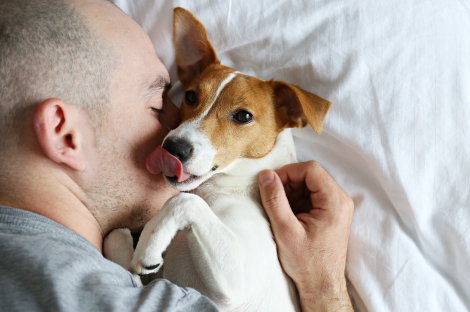


You may qualify for an ESA if you have a diagnosed mental or emotional disability that is improved by having an animal companion. Common qualifying conditions include:
Anxiety and generalized anxiety disorder
Depression
Post-traumatic stress disorder (PTSD)
Attention deficit disorder (ADD/ADHD)
Chronic stress
Panic attacks and panic disorder
Learning disabilities
Other mental illnesses or emotional disabilities
Qualification requires evaluation by a licensed mental health professional — a therapist, psychologist, social worker, or psychiatrist. They must determine that you have a qualifying condition and that an ESA would provide meaningful therapeutic benefit.
The process for obtaining a legitimate ESA letter involves:
1. Evaluation by a licensed professional — A licensed mental health professional (therapist, psychologist, or social worker licensed in your state) evaluates your mental health needs.
2. Video consultation — Our partner therapists conduct evaluations via secure video consultation from the comfort of your home.
3. Letter issuance — If you qualify, the therapist issues a signed letter on their professional letterhead, including their license number and contact information.
4. Use your letter — Present the letter to landlords, property managers, or universities to request ESA accommodations.
The letter is valid for one year and should be renewed annually. We do not guarantee that every applicant will qualify — qualification depends entirely on the therapist's professional assessment.
The Fair Housing Act (FHA) requires landlords and property managers to make reasonable accommodations for tenants with disabilities, including those with ESAs. This means:
Landlords must allow ESAs even in no-pet buildings
No additional pet fees or deposits can be charged (though you're still liable for damage)
The accommodation applies to most housing, including apartments, condos, and college dorms
You must provide a valid ESA letter from a licensed mental health professional
Landlords can reject an ESA accommodation if the animal would cause undue hardship, if the animal poses a direct threat to others, or if the request is not accompanied by proper documentation.
As of January 2021, the U.S. Department of Transportation updated its rules, and most major airlines no longer recognize ESAs as service animals. Airlines including American, Delta, United, JetBlue, Frontier, and Alaska Airlines have banned ESAs from traveling in the cabin for free.
Individual airlines now set their own policies. If you need to travel with your ESA, contact the airline directly before booking to understand their current policy. Some airlines may allow ESAs as pets in the cabin for a standard pet fee.
Understanding the distinction between ESAs and service dogs is important for knowing your rights:
Service Dogs:
Trained to perform specific tasks related to a disability
Protected by the ADA with broad public access rights
Can accompany handlers into restaurants, stores, hotels, and other public places
Limited to dogs (and in some cases, miniature horses)
Emotional Support Animals:
Provide comfort and companionship — no specialized training required
Protected primarily under the Fair Housing Act for housing accommodations
Do NOT have the right to enter public places like restaurants or stores
Can be any species of animal
Previously had airline protections, but most airlines have removed these
If your need for a support animal involves specific trained tasks (detecting panic attacks, medication reminders, interrupting harmful behaviors), you may qualify for a psychiatric service dog instead, which carries stronger legal protections.

When choosing an ESA, consider:
Temperament — Your ESA should be calm during times of distress, tolerate strangers, and not exhibit aggressive behavior. An animal that creates additional stress is counterproductive.
Allergies — If you or household members have allergies, consider hypoallergenic breeds or species.
Budget — Account for ongoing costs: food, veterinary care, grooming, supplies, and any housing accommodation documentation costs.
Lifestyle fit — Match the animal to your living situation and activity level. A large dog may not suit a small apartment.
While most domesticated animals can theoretically serve as ESAs, therapists typically recommend dogs and cats as they are most familiar to landlords and easiest to accommodate.
Your ESA should remain calm during distress, adapt around strangers, and make daily life feel easier.

Consider household allergies, grooming needs, and whether a breed or species fits your home.

Plan for food, veterinary care, supplies, grooming, and long-term support needs before choosing.
Research shows that animals can have significant therapeutic benefits for people with mental health conditions:
Reduced anxiety and stress — Physical contact with animals (petting, cuddling) releases oxytocin and reduces cortisol levels
Companionship — ESAs provide non-judgmental emotional support and help reduce feelings of loneliness
Routine and purpose — Caring for an animal creates structure and responsibility, which can be beneficial for depression
Distraction from anxiety — An animal's need for interaction redirects attention away from anxious thoughts
Social connection — Animals can serve as social catalysts, making it easier to connect with others
While federal law does not require ESAs to wear any identifying clothing or carry ID, visible identification is strongly recommended for practical reasons:
Helps reduce confrontations in public spaces
Signals to others that your animal is not a regular pet
Provides important contact information if your animal gets lost
Our ESA ID cards are stored in our nationwide database with a unique, searchable ID number — making it easy for anyone who finds your lost animal to contact you without having access to your personal details.
Connect with a licensed mental health professional for an evaluation. If you qualify, you'll receive a signed letter that protects your ESA housing rights.
Get Your ESA Letter Shop ESA Supplies